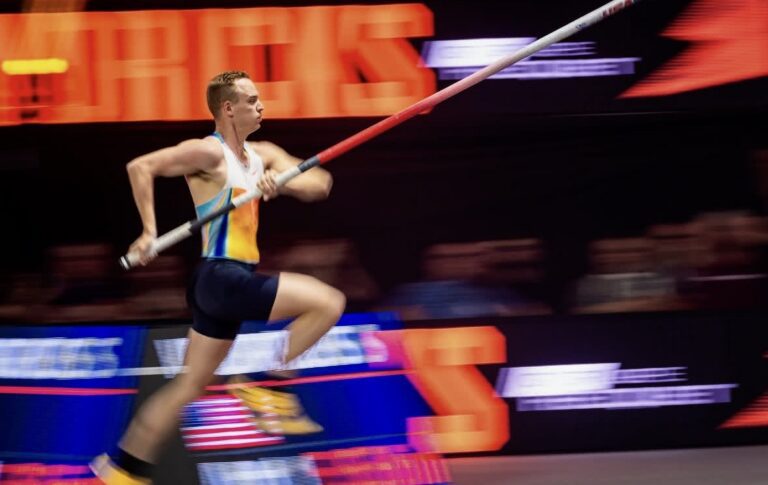
A competition pole is more than fiberglass and resin. It is a critical safeguard for your ambitions and a precision-engineered extension of your athletic intent. You understand the high stakes of the runway. You’ve felt the hesitation that comes from an inconsistent bend or a weight rating that fails to match your explosive power. Selecting the right competition pole vault poles is the difference between a stalled attempt and a new personal best. It’s about trust in your gear. It’s about absolute confidence at the plant.
This guide masters the technical specifications and engineering nuances required to select elite gear. We bridge the gap between technical data and podium performance. You’ll learn to navigate the 2026 World Athletics and NFHS standards while identifying the flex-timing that maximizes energy return. We examine structural integrity and the precision required for elite attempts. From understanding proprietary curvature dynamics to the rapid recoil requirements of world-class athletes, we provide the clarity needed to secure your success and protect your progress.
Key Takeaways
- Distinguish between standard training gear and high-stakes equipment to build absolute confidence at the plant.
- Understand the technical role of the sail piece and composite layering in optimizing the apex of your bend.
- Compare weight-to-stiffness ratios to select competition pole vault poles that synchronize perfectly with your swing-up timing.
- Apply the Rule of 10 to safely transition between stiffness ratings as your speed and vaulting technique evolve.
- Leverage the precision engineering of the 2026 FiberSport Pole to ensure maximum energy return and structural integrity during elite attempts.
Navigating the High Stakes of Competition Pole Selection
The runway is a psychological battlefield. When you stand at the start of your approach, your equipment shouldn’t be a variable. It must be a constant. Competition pole vault poles represent a critical shift from the high-volume repetition of practice to the precision of a peak attempt. Training poles, often called “bridge” poles, prioritize durability and forgiving bends for daily use. Competition gear is different. It’s engineered for maximum energy storage and explosive return. This transition requires a mental shift. You move from surviving the repetition to attacking the height with absolute intent.
Consistent manufacturing is the foundation of predictable results. Throughout the history of pole vaulting, materials have evolved to provide athletes with more responsive feedback. Modern competition poles utilize advanced composite layering to eliminate the variability found in lower-grade equipment. In a high-pressure meet, you can’t afford a pole that reacts differently on every jump. You need a tool that mirrors your training data. Precision engineering ensures that the flex-timing remains identical across your series. This allows you to focus on the technical execution of your swing-up instead of compensating for gear inconsistencies.
- Confidence: Eliminates hesitation at the plant.
- Predictability: Ensures the bend apex occurs exactly where expected.
- Durability: Withstands the increased ground reaction forces of elite approach speeds.
The Reliability Factor in Elite Meets
Reliability is non-negotiable. Manufacturing tolerances dictate your take-off timing. A deviation of just a few millimeters in composite wall thickness can create “dead spots.” These are areas where the energy return is sluggish or unpredictable. Elite vaulters mitigate this risk by carrying a matched series of competition pole vault poles. This allows for seamless transitions as wind conditions shift or as adrenaline increases approach speed. You need gear that responds with the same intensity you bring to the box.
Meeting Regulatory Standards
Compliance is the baseline for competition. For 2026, World Athletics and NFHS standards remain rigorous regarding pole markings and safety specifications. Every pole must feature a visible, permanent weight rating above the handhold band. Officials at elite meets verify these markings to ensure athletes don’t over-stress their equipment. Using a FiberSport Pole ensures your gear meets these 2026 requirements. Legality is as vital as performance. Without a compliant pole, your personal best won’t stand.
Engineering Excellence: The Anatomy of a Competition-Grade Pole
A competition-grade pole is a sophisticated, multi-layered composite. It is engineered to store and release energy with surgical precision. When selecting competition pole vault poles, you are choosing the internal architecture that determines how the pole reacts under the immense load of an elite athlete’s plant. These instruments feature a complex “layup” of fiberglass or carbon fibers. According to this World Athletics pole vault overview, the evolution of these materials has redefined the physical limits of the sport. Every layer serves a specific purpose in the vault’s cycle.
The “sail piece” is the heart of the pole’s engineering. It is a specific reinforcement layer positioned to dictate the bend’s apex. By adjusting the shape and placement of the sail, manufacturers can move the maximum point of deflection higher or lower. This customization allows vaulters to find a pole that matches their specific swing speed. If the sail is misaligned, the pole feels sluggish. When it’s perfect, the pole feels like a natural extension of your body. It provides the necessary resistance to support your weight while allowing the pole to move through the vertical plane.
Flex ratings provide a numerical value for this resistance. Manufacturers calculate these by measuring how many inches a pole deflects under a standardized weight. However, these ratings vary. A 16.5 flex from one brand might feel stiffer than a 16.5 from another due to different mandrel shapes or resin systems. Pole diameter also plays a critical role. A smaller diameter allows for a more secure grip and faster swing-through speed. This is essential for athletes who prioritize a rapid transition from the plant to the inversion. Finding the right balance between diameter and stiffness is a hallmark of elite performance.
The Role of High-Modulus Materials
Modern competition poles utilize high-modulus resins to improve the “life” of the composite. These advanced resins prevent micro-fractures that occur during thousands of loading cycles. Most elite competition pole vault poles use S-glass instead of standard E-glass. S-glass offers roughly 30% more tensile strength and a higher modulus of elasticity. This means the pole is lighter, stronger, and returns to its original shape with more intensity. It ensures the structural integrity of your gear remains intact during your most aggressive attempts.
Understanding Energy Return Mechanics
The vault is a transfer of energy. You convert horizontal kinetic energy from your approach into vertical potential energy. During the “uncoiling” phase, the pole releases this stored energy to propel you over the bar. This phase dictates your fly-away height. Energy return in pole vaulting is the efficiency with which a pole converts the athlete’s work during the bend into vertical lift during the recoil. To experience this precision firsthand, many athletes choose a FiberSport Pole for its superior recoil characteristics and predictable response.
Material Dynamics: Fiberglass vs. Carbon in High-Level Meets
Material selection is a tactical decision. It dictates the rhythm of your vault. When evaluating competition pole vault poles, the choice between fiberglass and carbon fiber isn’t simply about which is “better.” It’s about which matches your approach speed and swing-up timing. For a comprehensive breakdown of how these materials affect your vault timing and recoil dynamics, see our in-depth guide on carbon fiber vs fiberglass pole vault poles. Carbon fiber provides a superior weight-to-stiffness ratio. This allows for a lighter pole that is easier to carry during a high-velocity approach. However, this weight reduction comes with a faster, more aggressive recoil. You must be prepared for the pole to move through its cycle with increased urgency.
Fiberglass remains a staple in elite competition for its predictable, forgiving bend. It absorbs energy with a different profile. Many world-class vaulters prefer fiberglass because it offers a larger window for technical execution. The transition from the plant to the inversion feels more rhythmic. It provides a “softer” catch at the plant, which can be reassuring during high-pressure meets. Hybrid designs are now bridging the gap. These poles leverage the best of both material worlds, using high-modulus glass for structural integrity and carbon layers for weight efficiency. This synergy provides the reliability of glass with the speed of carbon.
When to Choose Fiberglass
Fiberglass is the ideal choice for vaulters who prefer a more deliberate vault cycle. It provides a slower pole reaction. This gives the athlete more time to complete the swing and clear the bar. Beyond performance, fiberglass offers rugged durability. It resists surface scratches and minor impact damage during transport. For developing programs, these poles provide elite-level specifications at a more accessible entry point. They are the workhorses of the track. They balance precision with resilience, ensuring that your investment lasts through multiple seasons of heavy use.
The Carbon Advantage for Elite Speed
Carbon fiber is built for velocity. By reducing the overall weight of the pole, athletes can maintain a faster approach speed. This increased kinetic energy translates directly into vertical potential. The recoil of a carbon pole is immediate and crisp. It demands a technical swing and a precise inversion. This response is what allows elite vaulters to achieve explosive fly-away heights. For a deeper look at the latest materials, review our PV Poles: The 2026-2027 Guide to High-Performance Equipment. Choosing carbon is a commitment to speed and technical mastery. It is the choice for the athlete who has maximized their fiberglass series and is ready for a more responsive instrument.

Precision Calibration: Matching Pole Ratings to Elite Standards
Precision calibration is a safeguard for your safety and your results. Selecting competition pole vault poles requires a synergy between athlete weight, approach speed, and technical proficiency. A standard weight chart is only a starting point. Elite vaulters must account for the kinetic energy generated at the end of the runway. If your speed increases, your current pole will react as if it’s softer than its rating. This leads to the dangerous blow through scenario where the pole over-bends and fails to provide vertical lift. You need gear that matches your actual force, not just your scale weight.
The Rule of 10 is an industry standard for safe progression. When you reach the maximum grip on your current pole and consistently land deep in the pit, it’s time to move up 10 pounds in weight rating. This ensures the structural integrity of the gear remains within safe limits while providing the extra resistance needed for higher heights. Interpreting flex numbers is equally vital. While weight ratings are broad categories, flex numbers provide a granular measurement of stiffness. A lower flex number indicates a stiffer pole. This allows for fine-tuned selection when you need a specific response between two standard weight ratings.
Effective weight changes with your hand placement. Lowering your grip effectively increases the stiffness of the pole. Conversely, raising your grip makes the pole feel softer and easier to bend. This is a critical adjustment tool during meets when wind conditions or fatigue change your approach velocity. Every inch matters. A small adjustment in grip height can be the difference between a stalled attempt and a clean clearance.
The Impact of Pole Length on Technique
Pole length dictates the timing of your vault. Choosing between 14′, 15′, and 16′ poles depends on your maximum reach and top-end speed. Longer poles require more kinetic energy to move to the vertical position. If you lack the velocity to move a 16′ pole, you risk stalling over the box. Match the length to your current physical capabilities to ensure a smooth transition from the plant to the inversion.
Coaching Strategies for Pole Transitions
Coaches must identify when an athlete has blown through their current series. This is marked by a pole that moves too quickly through the pit, leaving the athlete with no vertical lift. Safely test new poles in a controlled practice environment before meet day. Never debut a stiffer pole during a high-stakes competition without prior calibration. Protect your investment during travel with specialized gear. You can find high-performance protection in The Best Athlete Gear Bags for Track and Field: 2026 Elite Roundup.
To ensure your series is perfectly calibrated for the 2026 season, view the latest specifications from FiberSport USA.
FiberSport USA: Redefining Performance with the 2026 FiberSport Pole
Engineering excellence meets athletic ambition. The 2026 FiberSport Pole represents a fundamental shift in how competition pole vault poles are constructed. We don’t just assemble materials. We forge precision instruments. Our athlete-first philosophy dictates every design choice. It is a commitment to your security and your excellence. We understand that a pole must do more than bend. It must protect your progress while it performs at the highest level. This dual focus ensures that you can attack the box with absolute confidence.
Our manufacturer-direct model is the cornerstone of our quality control. We oversee every stage of production. From the initial resin infusion to the final flex calibration, we eliminate the variables that plague mass-produced gear. This vertical integration ensures that every FiberSport Pole that reaches the runway meets the exact specifications required for elite competition. You don’t have to guess if your gear will hold up. You know it will. It’s the difference between a tool that might work and a critical safeguard that always does.
Integration is the final step in elite preparation. Your poles are your most valuable assets. They shouldn’t be vulnerable during transit. RockBack bags and FiberSport cases are non-negotiable for the traveling athlete. These systems provide the structural shielding necessary to prevent the micro-fractures that compromise performance. Secure your gear. Protect your potential. When your equipment is as dedicated to the sport as you are, the results follow.
Designed for the Modern Athlete
FiberSport composites are engineered for resilience. We’ve pushed the limits of structural integrity to handle the increased ground reaction forces of modern vaulting. Our precision flex-rating system ensures competitive consistency across your entire series. Whether you’re attacking a personal best or defending a title, our gear remains steadfast. We’re committed to the 2026 season’s highest performance standards. We don’t just meet the rules. We set the pace for the entire industry.
Securing Your Competition Gear
Travel is the greatest threat to a pole’s lifespan. FiberSport Pole Vault Cases provide a rigid barrier against baggage handling and environmental stress. RockBack bags facilitate elite travel to national meets by offering a streamlined, protective solution for your matched series. Don’t let a transport mishap derail your season. Invest in the protection your talent deserves. It is time to elevate your expectations and your results. Explore the 2026 FiberSport Pole Collection and secure the gear built for the podium.
Elevate Your Ceiling for the 2026 Season
Success on the runway is a product of preparation and precision. You have mastered the technical nuances of sail piece alignment and energy return mechanics. You understand how to transition safely between stiffness ratings while maintaining the structural integrity of your series. Selecting the right competition pole vault poles is no longer a matter of guesswork; it is a calculated decision based on your explosive power and technical reach.
FiberSport USA stands as your authoritative expert and innovation partner. Our award-winning engineering and manufacturer-direct quality control ensure that every pole is a reliable safeguard for your ambitions. We provide national shipping for all team orders and remain the trusted choice for competitive athletes across the USA. Your equipment should be as dedicated to your safety as it is to your success. Don’t leave your next personal best to chance.
Upgrade to Elite Performance: Shop FiberSport Competition Poles
The 2026 season demands gear that performs under pressure. Trust your training, trust your technique, and trust the engineering beneath your hands. Take the runway with absolute confidence and clear your next height.
Frequently Asked Questions
What is the difference between a training pole and a competition pole?
Training poles prioritize rugged durability for daily repetition. Competition pole vault poles are precision-engineered for maximum energy return and specific flex-timing. While training gear is often more forgiving, competition poles utilize advanced composite layups to convert approach velocity into explosive vertical potential. They’re designed to react with the intensity required for elite heights rather than the endurance needed for high-volume practice sessions.
How do I know if I need a fiberglass or carbon pole for my next meet?
The choice is a tactical decision based on your technical window and approach speed. Fiberglass provides a slower, rhythmic recoil that gives you more time for the turn. Carbon fiber reduces overall weight to increase velocity and offers a crisper, more immediate response. To master the exact performance criteria that determine which material matches your vault timing, review our complete analysis of carbon fiber vs fiberglass pole vault poles for the 2026 season. Choose carbon for elite speed and rapid inversions. Stick with fiberglass if you prefer a more deliberate, rhythmic swing-up during your series.
Can I use a pole that is rated below my actual body weight in competition?
You cannot legally use a pole rated below your actual body weight. NFHS and NCAA regulations are strict on this point to ensure athlete safety. Using an under-rated pole over-stresses the composite and risks catastrophic failure. Officials verify weight ratings against your actual weight at every sanctioned meet. Always select gear that meets or exceeds your verified weight to ensure both legality and structural integrity.
How often should I replace my competition pole vault poles?
The average replacement cycle for elite gear is 2 to 4 years. While high-modulus resins extend the life of the composite, thousands of loading cycles eventually fatigue the fibers. Monitor your series for any loss of stiffness or unusual sounds during the bend. If a pole feels “soft” compared to its original flex rating, its structural integrity is likely compromised and it’s time for a replacement.
What happens if my pole gets scratched or nicked during transport?
Any scratch that penetrates the resin and touches the fibers is a structural threat. These nicks create stress points where a fracture can begin during a high-load attempt. Inspect your gear after every trip. If you find a deep nick, stop using the pole immediately. Protecting your competition pole vault poles in a rigid case is the only reliable way to prevent these hazards during travel. For a complete protocol on identifying and addressing surface damage before it becomes a safety risk, follow our guide to pole vault pole care and maintenance.
How do I read the flex rating on a FiberSport pole?
Flex ratings are numerical measurements of a pole’s resistance to deflection under a standardized load. A lower flex number indicates a stiffer pole. This system provides more precision than weight ratings alone. It allows you to fine-tune your series by selecting poles that offer incremental increases in stiffness. This data is essential for maintaining consistent timing as you move up to stiffer equipment.
Are FiberSport poles approved for NFHS and NCAA competition?
FiberSport poles are fully compliant with all 2026 NFHS, NCAA, and World Athletics standards. Every pole includes the mandatory permanent weight markings and handhold bands required for official inspection. Our manufacturer-direct quality control ensures that every instrument we produce is ready for sanctioned competition. You can take the runway with absolute confidence in your gear’s legality and its ability to perform under pressure.
What is the best way to transport multiple poles to an away meet?
Bundle your series in a rigid FiberSport Pole Vault Case for maximum protection. This prevents individual poles from vibrating or striking each other during transit. Pair the case with RockBack bags to safeguard the ends and facilitate easier handling for team travel. This combination is the industry standard for protecting elite equipment. It ensures your gear remains pristine from the moment you leave the facility until you reach the pit.