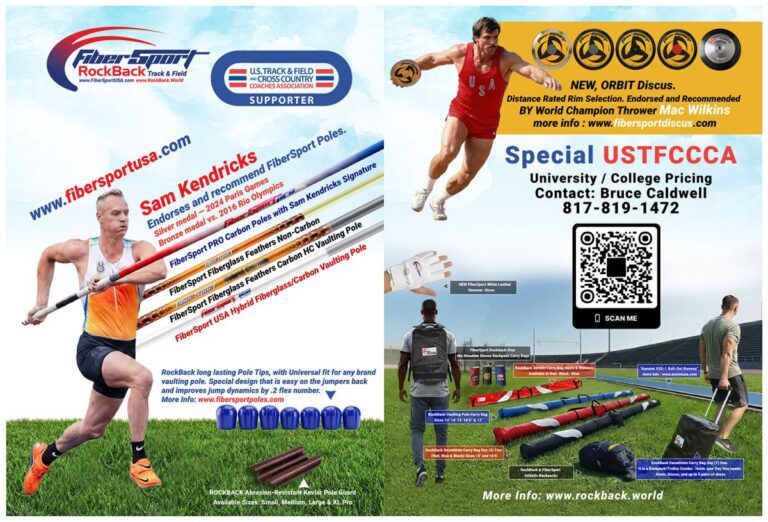
A high rim weight discus isn’t a shortcut to a podium; it’s a technical tool that demands precision. For many junior throwers, jumping straight to elite equipment leads to wobbly flights and stunted development. You likely feel the pressure to buy the best gear available, yet you worry about wasting money on an implement that’s too advanced for your athlete’s current skill level. It’s a common frustration in the throwing circle where confusion between total weight and rim percentage often leads to expensive mistakes.
This article clarifies the technical path to learning rim weights so you can match the implement to the athlete’s maturity. We’ll show you how to master the progression from the FiberSport USA ORBIT JR with its 73% rim weight up to high-performance models like the ORBIT IV. You’ll gain a clear roadmap for equipment upgrades, ensuring every investment translates into improved flight distance and absolute confidence in the ring. We’ll break down the engineering behind the ORBIT series, moving from the stability required for beginners to the high-spin potential demanded by elite competition.
Key Takeaways
- Distinguish between total implement weight and rim weight percentage to ensure your athlete trains with equipment that matches their technical maturity.
- Understand how the gyroscopic effect stabilizes flight and why higher rim weights require specific rotational speeds to be effective.
- Navigate the path to learning rim weights by starting with 70-75% models to build foundational release mechanics without sacrificing distance.
- Identify the specific flight instabilities that signal when a junior thrower is ready to upgrade to a higher-performance implement.
- Discover the engineering advantages of the FiberSport ORBIT JR, designed specifically for durability and precision in youth competitive settings.
Understanding Discus Rim Weights: The Foundation of Flight
Rim weight refers to the percentage of a discus’s total mass concentrated in its outer rim. While World Athletics and NFHS regulations dictate a specific total weight, such as 1kg for women and 2kg for men, the distribution of that weight is a performance variable. A 1kg discus with a 73% rim weight behaves differently than a 1kg discus with an 86% rim weight. This distinction forms the basis of the path to learning rim weights, a technical progression that ensures athletes don’t outpace their current ability. This technical evolution defines the path to learning rim weights for competitive juniors.
The physics of a successful discus throw rely heavily on angular momentum. Mass positioned at the outer edge creates a gyroscopic effect; this keeps the implement level during its flight. A higher rim weight increases the moment of inertia. Once the discus is spinning, it wants to stay spinning. However, if the athlete lacks the release speed to “set” that spin, a high-rim-weight implement will simply tumble. Beginners require lower rim weights to establish control, while elite throwers utilize high rim weights to maximize distance through sustained rotation.
The Anatomy of a Junior Discus Implement
Every discus consists of three primary components: the side plates, the center weight, and the outer rim. In the FiberSport ORBIT JR, these elements are engineered for structural integrity and balance. The side plates must withstand high-impact landings on various surfaces, which is a common reality in school settings. FiberSport utilizes high-impact materials to ensure the implement maintains its aerodynamic profile over hundreds of throws. The rim itself is the critical component. It provides the specific 73% weight distribution necessary for a stable, predictable flight path for student-level competitors.
Why Rim Weight Matters for Developing Throwers
Rim weight acts as both a teacher and a multiplier. Lower rim weights, typically between 70% and 75%, are more forgiving. They allow a developing thrower to achieve a flat flight even with imperfect release mechanics. As an athlete’s velocity increases, they require more resistance to maintain stability in the air. High rim weights punish technical flaws. If the release is off-axis, the heavy rim will exaggerate the wobble and cause the discus to drop early. Rim weight is the primary driver of flight stability and gyroscopic force. Matching this percentage to the athlete’s current release speed prevents wasted effort and ensures consistent technical growth.
The Physics of Spin: How Rim Weight Affects Junior Performance
A discus is more than a weighted plate; it’s a high-speed airfoil. To fly, it requires rotation. This rotation triggers the Gyroscopic Effect. This physical phenomenon allows the implement to resist the aerodynamic forces that would otherwise cause it to tumble or flip mid-air. For a junior athlete, the goal is to achieve a “flat” flight. Without sufficient spin, the air pressure on the leading edge of the discus forces the nose up, causing it to stall and drop. Mass distribution dictates how much spin is required to maintain this stability.
Higher rim weight increases what engineers call the Moment of Inertia (MOI). Think of it like a flywheel. A heavy rim keeps the discus spinning longer once it’s released, which preserves the gyroscopic stability throughout the entire flight path. However, there’s a significant trade-off. A higher MOI makes the discus harder to “start.” It requires more torque from the fingers and more explosive arm speed at the point of release. This is why the path to learning rim weights must be a gradual progression. If a junior thrower uses an elite-level discus too early, they won’t have the power to engage the rim, resulting in a wobbly, short throw.
Moment of Inertia in Junior Implements
In a 1kg junior discus, the MOI must be tuned to the athlete’s physical capacity. The FiberSport ORBIT JR is engineered with a 73% rim weight to optimize this balance. It provides enough stability to resist minor wind gusts while remaining light enough for youth athletes to spin effectively. Lower rim weights are less affected by crosswinds during the initial release phase, which is critical for athletes still mastering their throwing angle. Choosing the right implement is the first step toward technical excellence. You can find high-performance gear at FiberSport USA to support your athlete’s growth.
The Relationship Between Spin Rate and Rim Weight
Every rim weight percentage has a “threshold” spin rate. If the athlete’s release velocity falls below this number, the discus becomes unstable. You can easily spot a mismatch in the circle. If the discus “knuckleballs” or never flattens out into a glide, the rim weight is likely too high for the athlete’s current technique. Practical signs of an “under-spun” implement include:
- The Vertical Wobble: The discus vibrates or oscillates significantly immediately after leaving the hand.
- Premature Descent: The nose drops sharply halfway through the flight.
- Edge Landings: The implement hits the ground on its side rather than sliding flat.
Mastering the path to learning rim weights involves monitoring these flight characteristics. When the athlete consistently achieves a smooth, clean rotation with a 73% or 75% rim weight, they’ve demonstrated the finger strength and arm speed necessary to move up the ladder. Precision engineering ensures the equipment grows with the athlete, rather than holding them back.
Low vs. High Rim Weight: A Buying Comparison for Coaches
Coaches must balance immediate results with technical longevity. Selecting a discus with an 85% or higher rim weight for a junior thrower often backfires. While elite implements offer maximum distance potential, they require elite release velocities to function. If the athlete can’t generate the necessary torque, the heavy rim becomes a liability rather than an asset. A low rim weight, typically between 70% and 75%, provides the stability needed to build a repeatable, technically sound throw. This foundational stage is the most critical phase in the path to learning rim weights.
Material choice also impacts long-term value. Steel rims offer rugged durability for daily practice. Brass rims provide high weight concentration for elite flight but are softer and prone to denting on gravel or hard surfaces. Alloy components strike a balance, offering structural integrity without excessive cost. The FiberSport ORBIT JR utilizes high-impact materials specifically designed for the rigors of school-age competition. It serves as a versatile middle ground, allowing athletes to develop their “flick” while maintaining a professional aerodynamic profile.
When to Choose a Low Rim Weight Discus
Beginner and intermediate athletes should prioritize control. A low rim weight discus is ideal for throwers still mastering the release off the index finger. It stays flat in varying weather conditions, where high-rim implements might catch a crosswind and stall. For high school programs, these implements are the most cost-effective solution for bulk orders. They provide a reliable training tool that survives thousands of throws into diverse sector surfaces. It’s about building confidence through consistent flight patterns, not just chasing a single long throw with an unstable implement.
The Transition to High Rim Weight Implements
Upgrading is a matter of technical readiness. When an athlete consistently achieves a clean, high-spin release that “out-flies” their current gear, it’s time to move up. The 2026 FiberSport ORBIT Discus is engineered for this exact transition. It offers the increased rim weight necessary for advanced juniors to push their personal bests. Beyond the physics, there’s a psychological edge. Stepping into the circle with elite-grade equipment reinforces an athlete’s competitive identity. This shift marks a major milestone in the path to learning rim weights, signaling that the thrower has moved from foundational learning to high-performance execution. Matching the gear to the athlete’s growth ensures they never feel limited by their equipment.

The Path to Mastery: When to Upgrade Junior Rim Weights
Athletic progression in the throwing circle demands a disciplined equipment strategy. You can’t bypass the fundamentals of physics. The path to learning rim weights is a technical ladder designed to match implement resistance with athlete power. Skipping steps in this progression leads to wobbly flights and lost distance. Growth should be methodical and data-driven to ensure long-term success.
- Step 1: Master the release with a low rim weight (70-75%) implement like the FiberSport ORBIT JR. At this stage, the focus is entirely on the “flick” and ensuring the discus leaves the hand on a consistent plane.
- Step 2: Monitor flight stability. Observe the transition from the initial climb to the glide. If the discus never “flattens out,” your spin rate is insufficient to engage the rim weight.
- Step 3: Gradually move toward an 80% rim weight. This move should only happen once release velocity is high enough to stabilize the higher moment of inertia.
- Step 4: Analyze competition results. High rim weight is reserved for the “big stage.” It’s for when technique is reflexive and doesn’t crumble under the pressure of a championship meet.
Measuring Technical Readiness
Determining readiness requires objective data rather than guesswork. Use video analysis to check the angle of release. An optimal release angle paired with a clean axis of rotation is the hallmark of a ready athlete. Check for wobbling immediately after the discus leaves the fingers. This oscillation is the #1 indicator of a rim weight mismatch. When the rim is too heavy for the applied spin, the implement fights the air rather than slicing through it. Coaches should consult the how to choose a competition discus framework to align equipment with specific biomechanical markers.
Training vs. Competition Implements
The distinction between training and competition gear is vital for technical growth. You should often train with a slightly lower rim weight than you compete with. This allows for higher repetition counts without the technical fatigue that leads to bad habits. It builds a sense of “feel” and “touch” that is essential for elite performance. Once the athlete is dialed in, move to high-performance hardware for the actual meet. Maintaining your implement is equally critical. Scratches, dirt, and moisture can alter the aerodynamic profile and balance. Regular maintenance ensures your gear performs exactly as engineered every time you step into the circle.
Find the perfect match for your athlete’s development at FiberSport USA.
FiberSport ORBIT JR: Precision Engineering for the Next Generation
The FiberSport ORBIT JR serves as the definitive starting point for serious young competitors. It’s engineered with a 73% rim weight to provide the necessary stability during the initial stages of the path to learning rim weights. This implement isn’t a generic training tool; it’s a specialized piece of hardware built for the specific biomechanical needs of youth athletes. Available in 1.0kg and 1.6kg variations, it bridges the gap between basic participation and high-performance execution. Every millimeter of the ORBIT JR reflects our commitment to technical growth and aerodynamic integrity.
Our “disciplined power” philosophy applies directly to this junior gear. We focus on placing mass with surgical precision to ensure the discus remains stable even at lower release velocities. This allows the athlete to focus on their rotation and “flick” without fighting an unstable implement. By providing a predictable flight path, we empower the thrower to make technical adjustments based on performance rather than equipment failure. It’s about building a foundation of excellence that lasts an entire career.
Built for Performance and Resilience
Structural integrity is non-negotiable in school settings. Sectors can be unforgiving, and gear must withstand constant impact. The ORBIT JR features high-impact side plates designed to survive thousands of landings on diverse surfaces without warping. This durability ensures the discus maintains its precise balance and aerodynamic profile over multiple seasons. Furthermore, the ORBIT JR is a fully NFHS approved discus, meeting all regulation standards for high school competition. This “athlete-first” design philosophy supports technical growth by removing the frustration of wobbly flights and damaged equipment.
Making the Right Investment for Your Program
Buying quality junior implements is a strategic financial decision. Cheap, generic discuses often lose their balance or crack after a few heavy practice sessions. Investing in FiberSport engineering saves your program money over the long term by reducing the need for frequent replacements. It also ensures your athletes are training with the same caliber of gear they’ll encounter at the national level. Consistency in equipment builds the confidence necessary for the “big stage.” Before finalizing your purchase, consult our discus weight by age group guide to verify the exact specifications for your athletes. Equip your team with the precision of FiberSport engineering and start their path to learning rim weights with absolute confidence.
Secure the Future of Your Athlete’s Performance
Mastering the discus requires a synergy between human technique and mechanical precision. You’ve learned that rim weight isn’t just a number; it’s a performance variable that dictates flight stability and technical growth. By prioritizing control over raw distance in the early stages, you ensure that your athlete builds the foundational spin necessary for elite competition. This methodical path to learning rim weights prevents the technical stagnation that often comes from using advanced implements too early. It’s about matching the tool to the talent at every stage of the journey.
FiberSport USA stands as a national supplier for competitive track and field programs, offering award-winning designs tailored for aerodynamic precision. Our equipment is engineered for elite flight and maximum spin retention, providing a critical safeguard for your athlete’s ambitions. Don’t let inferior gear hold back potential or compromise structural integrity. Upgrade your junior athlete with the FiberSport ORBIT JR and invest in an implement designed for resilience and excellence. Your dedication to their development deserves a partner that values precision as much as you do. Step into the circle with absolute confidence.
Frequently Asked Questions
What is the best rim weight for a middle school discus thrower?
A rim weight between 70% and 75% is optimal for middle school athletes. The FiberSport ORBIT JR features a 73% rim weight, providing the stability required to develop a flat flight path. This specific percentage allows young throwers to focus on their release mechanics without the implement stalling early. It serves as the critical entry point for the path to learning rim weights by balancing forgiveness with aerodynamic efficiency.
Can a junior athlete use a high rim weight discus too early?
Yes, using a high rim weight discus prematurely often stunts technical growth. If the athlete hasn’t developed the rotational speed to stabilize a heavy rim, the discus will wobble and drop. This creates bad habits as the thrower tries to force the flight. A disciplined path to learning rim weights ensures the equipment matches the athlete’s power, preventing the frustration of inconsistent results during developmental years.
How does rim weight differ between a 1kg and 1.6kg discus?
While the rim weight percentage might be identical, the actual mass in the outer ring is significantly higher in a 1.6kg implement. A 73% rim on a 1kg discus puts 730 grams on the edge, whereas the same percentage on a 1.6kg discus places roughly 1.17kg on the rim. This increased mass requires more torque and finger strength to achieve the same gyroscopic stability. Transitioning between weights requires careful monitoring of spin rates.
Will a higher rim weight automatically make me throw further?
A higher rim weight only translates to distance if the athlete can generate enough spin to engage the physics of the implement. Without sufficient angular velocity, a high rim weight discus will actually fly shorter than a low rim weight model because it won’t flatten out. Distance gains are a result of technical mastery paired with the correct gear. The equipment acts as a technical multiplier rather than a replacement for speed.
What materials are used in the rim of a FiberSport ORBIT JR?
FiberSport USA engineers the ORBIT JR using a high-strength alloy rim paired with impact-resistant side plates. This combination ensures the implement remains balanced even after hitting hard sectors or gravel. We select these materials for their resilience and structural integrity under heavy training loads. This engineering choice guarantees that the 73% weight distribution stays precise throughout the life of the discus, providing a reliable tool for season-long development.
Is the FiberSport ORBIT JR approved for high school competitions?
The FiberSport ORBIT JR is fully certified for NFHS, NCAA, and World Athletics competitions. It meets all rigorous regulation standards for dimensions and weight distribution. Coaches can deploy these implements in any sanctioned meet with absolute confidence. This approval means your athletes train with the same high-performance hardware they’ll use on the national stage, ensuring their preparation is mission-critical and regulation-compliant.
How do I know if my discus has a high or low rim weight?
You can identify the rim weight by checking the technical specifications engraved on the side plate or by the material density of the rim. High rim weight models like the ORBIT IV use denser alloys to push up to 86% of the mass to the edge. Low rim weight models have a thicker center or lighter rim materials. FiberSport USA clearly labels its products to help coaches and athletes navigate their equipment progression with precision.
What happens if a discus hits the cage with a high rim weight?
Hitting the cage with a high rim weight discus subjects the outer ring to intense localized force. Because the mass is concentrated at the edge, the impact can cause warping or structural shifts if the materials aren’t high-grade. FiberSport engineering utilizes reinforced alloys to mitigate this risk, but any impact can eventually affect aerodynamic balance. Regular inspection is vital to ensure the implement still meets the precision standards required for elite flight.