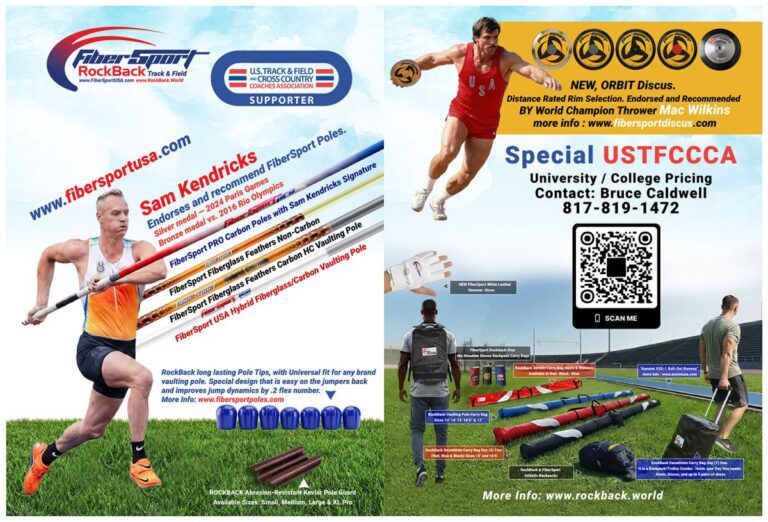
A championship throw isn’t just a display of raw power. It’s a precise interaction between human physics and high-tensile engineering. You know the frustration of a disc that flutters mid-flight or the sting of equipment failure during a critical meet. Selecting the right discus throw competition equipment is about more than just weight. It’s about confidence. It’s about security.
You’ve likely struggled with confusing rim weight percentages or the logistical nightmare of transporting heavy implements safely during travel. We understand that your gear is a critical safeguard for your ambitions. This guide promises to help you master the technical specifications and engineering requirements of professional-grade implements to maximize your distance. You’ll learn how to choose equipment that lasts multiple seasons while staying in full compliance with NFHS and NCAA regulations.
We will analyze the aerodynamic stability of the 2026 FiberSport ORBIT Discus and the structural integrity of the ORBIT JR. From precision rim engineering to the rugged protection of RockBack Bags, this is your roadmap to elite performance. We transition from technical specifications to practical application, ensuring your gear is as ready for the podium as you are.
Key Takeaways
- Distinguish between standard training tools and professional-grade discus throw competition equipment to ensure your gear maintains structural integrity during high-velocity releases.
- Master the physics of rim weight and moment of inertia to generate the centrifugal force required for stable, long-distance flight in varying wind conditions.
- Align your implement selection with specific release velocity profiles and grip preferences to maximize control and distance during high-pressure meets.
- Implement rigorous maintenance protocols and use specialized travel solutions like RockBack Bags to prevent aerodynamic imbalances caused by minor rim nicks or surface damage.
- Leverage the precision engineering of the 2026 FiberSport ORBIT series to access elite rim weight percentages without compromising the durability of the implement.
Engineering Excellence in Discus Throw Competition Equipment
Professional-grade implements aren’t just heavy objects. They’re precision-engineered tools designed for high-velocity releases. While training discs focus on high repetition and durability, elite competition gear prioritizes aerodynamic stability and structural integrity. When you’re spinning at maximum speed, the centrifugal force is immense. Any slight imbalance in the implement’s core can lead to a flutter that kills your distance. High-quality discus throw competition equipment acts as a safeguard for your hard work. It ensures that the power you generate translates into a clean, stable flight path.
Regulation Standards and Certification
Official competition doesn’t leave gear to chance. Every throw is governed by strict technical mandates from World Athletics, the NCAA, and the NFHS. From the history of the discus throw to the modern 2026 circuit, standardization has been the bedrock of fair play. For senior men, the implement must weigh a minimum of 2.000kg with an outside diameter between 219mm and 221mm. Senior women require a 1.000kg implement with a diameter between 180mm and 182mm. Both must feature a rim thickness of 12mm to 13mm. Certified equipment is non-negotiable. If your implement isn’t balanced to these precise tolerances, it won’t pass inspection at major meets. We build our gear to meet these standards with zero margin for error.
Material Science in Modern Discus Design
Material selection dictates both the implement’s lifespan and its performance in the ring. Traditional wood-side implements are prone to warping or cracking when they hit the ground. Modern composites offer a superior alternative. They provide better resilience and a more consistent weight distribution. The rim material is equally critical. We prioritize stainless steel over galvanized options for several reasons:
- Corrosion Resistance: Stainless steel won’t rust after a wet morning session.
- Structural Integrity: It maintains a perfect, sharp edge even after hundreds of impacts.
- Grip Consistency: The texture remains uniform, providing a reliable release every time.
The 2026 FiberSport ORBIT Discus utilizes these advanced materials to create a tool that’s as tough as it is precise. By pairing a stainless steel rim with high-performance composite side plates, we’ve engineered a disc that maintains its aerodynamic profile season after season. It’s a reliable partner for your most demanding competitions. It’s built for the podium.
Decoding Rim Weight and Aerodynamic Stability
The flight of a discus is a battle between gravity and gyroscopic force. While material integrity ensures the implement survives impact, the internal weight distribution determines how it carves through the air. Professional discus throw competition equipment relies on the principle of moment of inertia. By concentrating mass in the rim, engineers increase the energy required to change the implement’s orientation. This results in a cleaner, longer flight. Selecting the correct discus throw competition equipment requires an understanding of how these forces interact during the milliseconds of release.
High spin rates are essential for performance. When a thrower imparts high RPM, the resulting centrifugal force creates a stabilizing effect. This protects the flight path against unpredictable crosswinds. Without sufficient spin, the implement will “tumble.” This causes it to lose its aerodynamic profile and drop short of the mark. Precision engineering ensures that the weight is perfectly distributed to maintain this rotation for the duration of the throw.
The Rim Weight Ratio Framework
Choosing the right ratio is a matter of matching physics to your current power output. Higher rim weight requires higher release velocity to maintain stability. If you don’t have the speed to “prime” a high-rim-weight disc, it will fall out of the sky prematurely.
- Low rim weight (70-75%): Ideal for developing throwers. These implements are easier to spin and remain stable even at lower release speeds. Our 2026 FiberSport ORBIT JR is designed with this accessibility in mind.
- Medium rim weight (80-85%): The standard for collegiate competition. It offers a balance of stability and distance potential for athletes with refined technique.
- High rim weight (90%+): Reserved for elite competitors. These implements demand extreme spin rates but reward the athlete with maximum hang time.
If you’re ready to upgrade your performance, exploring the technical specs of the 2026 FiberSport ORBIT series can help you find your ideal ratio.
Aerodynamics and Flight Patterns
A discus doesn’t just fall; it flies. It behaves like a wing, generating aerodynamic lift as it moves through the atmosphere. The relationship between the center of gravity and the center of pressure determines the pitch of the disc. If these points are misaligned, the disc will nose-dive or stall. Rim thickness also plays a role. A thinner rim reduces drag coefficients, allowing the implement to maintain velocity for a longer duration.
In the context of a 2026 competition throw, gyroscopic stability represents the implement’s inherent resistance to aerodynamic tilting, powered by the conservation of angular momentum from the moment of release.
Selecting Competition Implements for Different Athletic Levels
Selecting the right discus throw competition equipment requires a deep understanding of your current performance trajectory. It’s not a one-size-fits-all decision. The physics of the throw change as an athlete matures, necessitating a shift in equipment specifications. You must match the implement’s rim weight to your release velocity. A mismatch here leads to wasted energy and decreased distance. High-performance gear acts as a bridge between your physical training and your results on the field.
Release velocity is the primary metric for selection. If you’re releasing at 20 meters per second, a 90% rim weight disc will stall. It won’t have the angular momentum to stay flat. Conversely, an elite thrower releasing at 25+ meters per second needs that high rim weight to prevent the disc from “flipping” too early. Grip texture is the next priority. In high-pressure meets, moisture and nerves can compromise your release. We engineer our plates with a specific micro-texture to ensure a clean, consistent exit from the hand. This provides the security you need when the stakes are highest.
Junior and Youth Competition Requirements
Developing athletes need gear that forgives minor technical errors. The 2026 FiberSport ORBIT JR is engineered specifically for this phase. It provides a stable platform for mastering the rotation without the punishing feedback of an elite-tier implement. Youth specifications are precise: U18 men typically use a 1.500kg implement, while U20 men move to 1.750kg. Senior women across all levels utilize the 1.000kg standard. Starting with a lower rim weight allows the athlete to focus on the “hit” at the front of the circle. This builds the foundation for more advanced discus throw competition equipment later in their career. It’s about progression, not just participation.
Collegiate and Professional Selection Criteria
At the collegiate and professional levels, the demands on gear intensify. High-volume throwing schedules require implements that maintain their balance after thousands of impacts. Professional throwers often carry a variety of discs to account for local weather. In a strong headwind, a heavier rim weight can help the disc “slice” through the air more effectively. In calm or tailwind conditions, a slightly different profile might be preferred to maximize lift. For a deeper look at these mechanics, explore the 2026 FiberSport ORBIT Discus: The Engineering of Elite Flight. Investing in elite-tier gear is a cost-benefit decision. While the initial investment is higher, the durability of stainless steel rims and composite plates provides a superior return on your athletic ambition. You aren’t just buying a disc; you’re securing your competitive edge.

Beyond the Ring: Transporting and Maintaining Elite Gear
Your distance isn’t just a product of your spin. It’s a product of your gear’s integrity. A single nick on a stainless steel rim is the “silent killer” of performance. These minor imperfections create micro-turbulence during flight. They disrupt the boundary layer of air. They turn a world-class throw into a fluttering disappointment. Maintaining your discus throw competition equipment is as critical as your weight room sessions. It’s about protecting your investment. It’s about ensuring your results match your potential.
Precision engineering requires precision care. Even the most durable composite materials can suffer from neglect. When you ignore surface maintenance, you’re inviting aerodynamic imbalance. This imbalance is often invisible to the naked eye but becomes glaringly obvious at the 60-meter mark. We treat maintenance as a mission-critical protocol for the elite athlete. It’s a safeguard for your ambitions.
Maintenance and Surface Protection
Daily protocols are simple but mandatory. Wipe down composite side plates with a damp microfiber cloth to remove dirt, sweat, and chalk. For metal rims, check for burs after every session. Impact with the cage or hard soil creates sharp edges. Use a fine-grade emery cloth to smooth these out manually. Never use heavy grinders. You risk altering the rim’s weight distribution and ruining the implement’s balance. Store your gear in a dry, temperature-controlled environment. Moisture-induced oxidation can compromise the structural bond between the rim and the center plate over time.
Elite Travel Solutions
National-level travel introduces new risks to your gear. Checked luggage is rarely handled with precision. Specialized bags are the only way to prevent structural degradation during long-distance transit. Our RockBack Bags are engineered for this exact purpose. They provide a padded, secure environment that isolates each implement. This prevents metal-on-metal contact and absorbs impact energy. For a full breakdown of protection options, see our guide on The Best Athlete Gear Bags for Track and Field: 2026 Elite Roundup.
When flying with heavy discus throw competition equipment, follow this professional checklist:
- Individual Sleeves: Use padded sleeves inside your RockBack Bag for dual-layer protection.
- Weight Distribution: Position the heaviest implements at the bottom of the bag to lower the center of gravity.
- Edge Guarding: Ensure no rim edges are in direct contact with the bag’s outer zipper or thin fabric walls.
- Verification: Always weigh your gear before arriving at the airport to avoid surprise fees.
Don’t leave your gear’s safety to chance. Secure your competitive future with professional-grade travel and maintenance solutions from FiberSport USA.
The 2026 FiberSport ORBIT Discus: Precision Redefined
The 2026 FiberSport ORBIT series represents the pinnacle of discus throw competition equipment engineering. We’ve moved beyond standard manufacturing to create a tool that mirrors the precision of the elite athlete. By utilizing award-winning design principles, we maximize rim weight percentages while maintaining the structural integrity required for high-velocity impact. This isn’t just gear. It’s a critical safeguard for your competitive career. It’s built to perform. It’s built to last.
Our engineering team focused on the “sweet spot” of aerodynamic stability for the 2026 season. We’ve paired high-tensile stainless steel rims with advanced composite side plates to ensure that every gram of weight serves a specific purpose. This construction allows for a high moment of inertia without the fragility associated with traditional wood or low-grade plastic implements. Whether you’re throwing in a collegiate final or a national qualifier, the ORBIT series provides the security of a tool that won’t fail when the pressure is highest. We position ourselves as your mission-critical partner in every ring you enter.
ORBIT Series Technical Features
Innovation defines every millimeter of the ORBIT line. We’ve integrated rim-loading technology that concentrates mass at the outermost circumference. This maximizes spin retention, allowing the implement to stay flat and glide for a longer duration. We’ve also updated the aesthetics for the 2026 circuit. High-visibility plates make flight tracking easier for coaches and ensure faster recovery during practice sessions in low-light conditions. The 2026 ORBIT maintains its aerodynamic profile and structural balance even when subjected to extreme competition loads and repeated high-impact landings on varied terrain.
The 2026 FiberSport ORBIT JR follows the same engineering path but with a focus on progression. It acts as a reliable partner for junior athletes who are transitioning to professional-grade hardware. It provides the elite feel of a competition disc with the forgiveness necessary for developing technique. We don’t compromise on quality for our younger throwers. We invest in their future success.
Ordering for Teams and Individuals
We provide comprehensive support for both individual athletes and large-scale athletic programs. For high school and college coaches, we offer bulk procurement strategies to outfit entire throwing squads with unified, high-performance discus throw competition equipment. This ensures that every athlete on your roster has access to the same precision engineering. Our national dealer network provides local support and technical expertise to help you select the right models for your team’s specific needs. Secure your 2026 FiberSport ORBIT Discus today and experience the difference that precision engineering makes in the ring.
Secure Your Competitive Edge for the 2026 Season
Success in the circle is the result of disciplined training and calculated technical choices. You now understand that engineering excellence dictates flight stability. You’ve seen how matching rim weight to release velocity transforms a standard throw into an elite performance. Maintenance isn’t an afterthought; it’s a safeguard for your athletic ambitions. Every nick on a rim or imbalance in a plate represents a potential loss of distance.
Investing in professional-grade discus throw competition equipment ensures that your physical power is never throttled by your hardware. FiberSport USA provides award-winning track and field innovation that is precision-engineered for elite flight stability. Our implements are trusted by competitive programs across the United States to deliver results when the stakes are highest. It’s time to stop questioning your gear and start focusing on your next personal record.
Equip your season with the 2026 FiberSport ORBIT Discus and step into the ring with absolute confidence. Your journey to the podium requires a partner as dedicated as you are. Let’s get to work.
Frequently Asked Questions
What is the difference between a training discus and a competition discus?
A competition discus prioritizes aerodynamic stability and precise rim weight distribution, whereas a training implement is built for high-impact durability and repetitive volume. Competition gear must meet strict World Athletics or NCAA certification standards. While training tools often feature lower rim weights for easier handling, elite discus throw competition equipment uses high-tensile materials like stainless steel to maintain a perfect edge. This ensures your meet-day performance isn’t compromised by flight inconsistencies common in standard practice gear.
How do I choose the right rim weight percentage for my throwing style?
You must match the rim weight to your release velocity and spin rate. Developing throwers should look for a 70% to 75% rim weight to ensure the implement stays flat at lower speeds. Collegiate and professional athletes often move to 85% or higher to maximize the gyroscopic effect. If the rim is too heavy for your current power output, the disc will stall. It won’t have enough angular momentum to maintain its flight path.
Are FiberSport ORBIT discus implements NFHS and NCAA approved?
Yes, all 2026 FiberSport ORBIT Discus and ORBIT JR models are engineered to meet or exceed NFHS and NCAA technical specifications. We manufacture our implements to the exact weight, diameter, and rim thickness requirements mandated for official competition. This ensures that your equipment is ready for inspection at any sanctioned meet. You can step into the ring with absolute confidence that your gear is fully compliant with national governing body regulations.
How should I clean and store my competition discus to prevent rust?
Clean your implement after every session with a damp microfiber cloth to remove chalk, sweat, and soil. It’s essential to dry the surfaces immediately to prevent moisture-induced oxidation, especially on metal rims. Store your gear in a temperature-controlled environment away from high humidity. Using a dedicated storage solution like our RockBack Bags provides an extra layer of protection against the elements. This maintenance protocol preserves the aerodynamic integrity of your elite equipment.
Can I use the same discus for both practice and competition?
It’s better to separate your gear. While you can use the same model, practicing with your primary competition implement leads to rim nicks and surface burs that degrade aerodynamic performance. Small imbalances from repeated impacts with the cage or hard ground will eventually cause the disc to flutter. We recommend using a dedicated training disc for high-volume sessions. Save your pristine discus throw competition equipment specifically for meet day to ensure maximum flight stability.
What is the best way to transport multiple discus implements for travel meets?
The most secure method for transporting multiple implements is a specialized, padded gear bag like our RockBack Bags. These are designed to isolate each disc, preventing metal-on-metal contact that causes structural damage. When traveling, place the heaviest implements at the bottom to stabilize the bag’s center of gravity. This protection is a critical safeguard for your gear during transit. It prevents the aerodynamic degradation that often occurs during rough handling in national-level travel.
Why does rim weight matter more than total weight in a competition discus?
Total weight is a fixed regulatory requirement, but rim weight dictates the implement’s moment of inertia. By concentrating mass in the outer rim, we increase the centrifugal force generated during the spin. This force creates gyroscopic stability, allowing the disc to resist tilting and maintain its flight profile against crosswinds. A higher rim weight percentage means the implement will rotate longer. This leads to increased hang time and greater competitive distance when thrown with sufficient velocity.
Does the material of the side plates affect the throw distance?
Side plate materials play a significant role in both grip and flight stability. Modern composites, like those used in the 2026 FiberSport ORBIT series, provide superior structural stiffness compared to traditional wood. This stiffness reduces implement vibration immediately after release, which minimizes drag. Additionally, the texture of the plates affects your release friction. Our plates feature a specialized micro-texture that ensures a secure, consistent exit from the hand even in high-pressure, high-moisture competition environments.