A single mishandled transition in a crowded terminal can end your season before you even reach the runway. You don’t just carry equipment. You carry your competitive future in a 15-foot tube. If that tube fails, your poles fail. Selecting a high-performance airline approved pole vault case is the only way to ensure your gear arrives without the silent, lethal micro-fractures that lead to catastrophic mid-air snaps. It’s about more than simple storage; it’s about mission-critical protection for your most vital assets.
We understand the anxiety of watching your gear disappear behind the oversized baggage curtain. You’ve invested too much in your training to let a baggage handler’s mistake dictate your results. You deserve to board your flight with absolute confidence. This 2026 guide compares professional travel solutions built to eliminate logistical headaches and neutralize transit risks. We will analyze how to bypass exorbitant fees, master airport maneuverability, and maintain the structural integrity of your FiberSport USA poles from takeoff to the podium. Get ready to transform your travel experience from a logistical nightmare into a streamlined, professional operation.
Key Takeaways
- Prevent catastrophic failure by identifying how professional shielding neutralizes the micro-fractures caused by standard airline handling.
- Select the right gear for your journey by comparing the structural dominance of an airline approved pole vault case against the lightweight mobility of RockBack bags.
- Master the technical specifications of elite transport, focusing on weather-resistant coatings and breakthrough-resistant end cap engineering.
- Streamline your arrival with updated 2026 logistics strategies designed to minimize oversized baggage fees and simplify TSA inspection protocols.
- Ensure long-term equipment durability by aligning your transport hardware with the high-precision requirements of FiberSport poles.
The Stakes of Transit: Why a Professional Case is Performance Insurance
Your equipment is more than a collection of fiberglass and carbon. It’s a precision-engineered extension of your athletic ambition. High-performance vaulting requires gear that operates at the very edge of physical limits. When you travel, you expose that gear to environments it wasn’t designed to handle. A professional airline approved pole vault case isn’t just a container; it’s a mission-critical insurance policy for your career. The cost of a premium case is negligible when compared to the financial and physical toll of a broken pole mid-vault. You protect your investment. You secure your safety.
The primary threat during transit isn’t always visible. Micro-fractures are the silent killers of elite equipment. These tiny structural compromises occur when a pole takes a direct hit or experiences excessive vibration against a hard surface. In the high-stress environment of Modern Pole Vaulting, these fractures become failure points. A pole that looks perfect on the runway can fail catastrophically under load because of a bump it took in a cargo hold three days prior. Professional protection neutralizes this risk by isolating the equipment from impact energy and environmental extremes. UV exposure and rapid temperature swings in the belly of a plane can degrade resins. A dedicated case provides a controlled climate for your most sensitive tools.
The Hidden Risks of Commercial Aviation
Commercial cargo holds are hostile environments for long-format sporting gear. High-frequency vibrations during flight can cause internal delamination over time. Standard soft bags offer zero resistance against the weight of other luggage or the erratic movements of conveyor systems. Your pole vault poles face crushing forces and sharp impacts from the moment they leave your sight. Without a rigid exterior, your gear is at the mercy of baggage handlers who prioritize speed over precision. Elite travel requires a solution that guarantees structural survival through every layover.
Professional vs. DIY Protective Solutions
Many athletes attempt to save costs with DIY PVC tubes or heavy-duty cardboard. These solutions have clear structural limits. PVC is brittle; it can shatter under heavy impact in cold temperatures. Cardboard fails instantly when exposed to runway moisture or humidity. A dedicated airline approved pole vault case utilizes advanced polymers and reinforced end caps to prevent breakthrough. These cases are engineered to integrate with inner protective tubing, creating a dual-layer defense system. Professional designs also include ergonomic handles and balanced wheels. This simplifies logistics while ensuring the case is handled correctly by airport staff. You gain mobility. You secure your investment. You protect your results.
Hard Shell vs. Soft Bag: Comparing Your Travel Options
Selecting the right transport solution depends entirely on your theater of operations. You don’t bring a soft bag to an international flight. You don’t need a heavy hard case for a cross-town bus ride. Understanding the engineering differences between these two formats is critical for equipment longevity. While soft bags offer convenience, an airline approved pole vault case provides the uncompromising structural defense required for commercial cargo holds. It’s a choice between convenience and absolute security.
Hard shell cases represent the elite standard for air and freight transport. These units are typically constructed from molded industrial plastics that resist crushing forces and sharp impacts. They act as a rigid exoskeleton. In contrast, soft travel bags utilize high-denier Cordura nylon. These are excellent for team bus trips where space is flexible and handling is supervised. The decision rests on a balance of weight and protection. Frequent flyers must prioritize the latter to avoid the micro-fractures that threaten structural integrity. Athletes who want to understand the full spectrum of durable track and field equipment standards in 2026 will find that the same material science principles governing pole engineering apply directly to transport case construction.
When to Prioritize a Hard-Shell Case
Commercial aviation demands absolute crush resistance. When your multi-pole set is buried under hundreds of pounds of standard luggage, a soft bag offers no defense. Hard-shell cases provide the structural integrity to withstand these loads without transferring pressure to the poles. Security is another factor. Most professional cases feature lockable latches, a requirement for international competition and compliance with USA Track & Field (USATF) regulations regarding equipment safety and transport.
These cases endure the rigors of commercial handling year after year. They are built for the long haul. The industrial-grade plastic prevents punctures from other sharp luggage corners. It also provides a barrier against the hydraulic fluids and moisture often found in cargo environments. If you are checking your gear as oversized baggage, the hard shell is your only viable option for total peace of mind.
The Versatility of Soft Carrying Bags
Soft bags excel in mobility. Their lightweight design makes navigating crowded terminals and hotel elevators significantly easier. When you aren’t traveling, these bags collapse for efficient storage. They integrate seamlessly with other athlete gear bags for track and field, allowing you to manage your entire kit with minimal friction. For local meets or supervised team transport, the flexibility of a high-denier bag is often the superior choice.
The weight savings of a soft bag can be significant for local logistics. You can carry it over your shoulder. You can fit it into smaller vehicles. However, even the best Cordura nylon lacks the puncture resistance of a molded case. It’s about matching the tool to the task. For athletes who demand the highest level of protection during national travel, exploring professional FiberSport transport solutions is the logical next step in gear maintenance.
Critical Engineering Features of an Airline Approved Case
Engineering a superior airline approved pole vault case requires more than just length. It demands a sophisticated understanding of material science and kinetic energy. High-performance travel gear utilizes industrial-grade polymers or extreme denier nylon to withstand the abrasive environments of airport logistics. These materials are treated with weather-resistant coatings to repel moisture and hydraulic fluids. This level of integrity ensures that your equipment remains dry and structurally sound regardless of the weather conditions on the tarmac. You don’t just buy a bag. You invest in a structural shield.
Reinforced end caps are arguably the most critical structural component. During vertical transit, the entire weight of your pole set rests on the bottom cap. Standard bags often suffer from breakthrough, where the pole tips punch through the fabric during loading. Professional-grade cases solve this with high-impact plastic inserts or multi-layered ballistic nylon. This reinforcement absorbs the shock of being dropped upright onto concrete floors. It protects your tips. It maintains the case’s structural seal. You eliminate the risk of equipment exposure before you even reach the competition.
Ergonomics play a vital role in how baggage handlers treat your gear. A case with multi-point grab handles and padded shoulder straps is more likely to be carried correctly rather than dragged or tossed. These handles must be strategically placed to balance the weight of 15-foot to 17-foot competition poles. Proper balance reduces the risk of the case catching on conveyor belt dividers or being dropped during manual loading. When the gear is easy to handle, it’s more likely to be handled with care.
Internal Organization and Tube Compatibility
Internal stability is paramount for preventing the micro-fractures discussed in previous sections. A premium airline approved pole vault case provides enough internal volume to accommodate standard 6-inch protective inner tubes. This tube-within-a-case system creates an essential air gap that dissipates external impacts. High-quality designs also feature internal tie-down points to prevent rattling. This ensures that your poles don’t collide with each other or with essential accessories like tape and grip kits stored in the integrated tool pockets. You stay organized. You stay protected.
Hardware and Closure Systems
The closure system is the primary failure point in low-end gear. While Velcro is common in entry-level bags, it lacks the longevity required for high-use travel. Heavy-duty, oversized zippers are the professional standard. They offer a more secure seal and resist jamming from sand or dirt. Security is further enhanced by TSA-accessible locking mechanisms. These allow security personnel to inspect your gear without damaging the case. Compression straps wrap the entire circumference of the case to stabilize the load. They pull the material tight against the inner tubes, creating a compact, rigid package that is significantly easier to maneuver through tight terminal spaces. Athletes serious about zero-damage transport should review the essential criteria outlined in this 2026 guide to elite pole vault cases for transport to ensure their closure systems and structural components meet national-level competition standards.

Elite Logistics: Flying with Pole Vault Poles in 2026
The logistics of 2026 air travel demand a proactive stance. You don’t just show up. You plan. Airline policies regarding oversized baggage have evolved, with many carriers requiring specific notification for items exceeding 15 feet. An airline approved pole vault case is your ticket to a smooth check-in. It signals to agents that your gear meets safety and handling standards. You minimize friction. You avoid unexpected denials at the counter. This is about more than just transport; it’s about navigating a complex system with authority.
TSA inspection protocols for oversized tubes are rigorous. Pack your case to be easily opened. Avoid excessive internal tape that might require a security agent to use a blade near your carbon fiber. Use TSA-accessible locking mechanisms. These allow for inspection without compromising the structural seal of the case. Clear labeling is non-negotiable. Use high-visibility tags on multiple points of the case. Include your name, phone number, and destination facility. You ensure your gear reaches the pit, not the lost-claim office. You maintain control of your assets.
Booking and Check-in Strategy
Success begins at the time of booking. Always confirm the aircraft type. Smaller regional jets often lack the cargo hold length for competition poles. Contact the airline’s oversized baggage desk immediately after ticket purchase to log your equipment dimensions. Arrive at the terminal at least three hours early. This allows time for manual processing and agent coordination. Communicate clearly with gate agents. Explain that you are transporting fragile, high-performance hardware. Professionalism often results in better handling. You set the tone for how your gear is treated.
Conduct a thorough arrival inspection before leaving the airport. Check for external punctures or structural cracks. If you find transit damage, file a claim immediately at the baggage office. Do not leave the terminal until the report is finalized. This documentation is vital for equipment replacement or repair. You protect your career by holding the carrier accountable for their handling standards.
Ground Transport Logistics
The mission doesn’t end at the baggage carousel. Ground transport presents its own set of challenges. Choose rental vehicles with factory-installed roof racks or sufficient internal length, such as large SUVs or passenger vans. Secure your gear with wide cam-buckle straps rather than thin bungee cords. Tighten enough to prevent movement, but avoid over-tightening. Excessive pressure can cause compression damage to the case and the poles within. You balance security with structural preservation. For athletes who value high-tech protection for their vehicles as much as their equipment, discover AL Priority USA and their advanced laser defense technology.
Protect the case from road debris during long drives between the airport and the venue. Environmental wear can degrade even the toughest materials over time. For athletes seeking the ultimate in travel-ready hardware, exploring the FiberSport equipment lineup provides the engineering edge needed for national competition. You travel with confidence. You arrive ready to vault. You dominate the logistics so you can dominate the runway.
FiberSport Protective Solutions: Engineered for the Journey
FiberSport USA views equipment protection as a fundamental component of athletic success. We don’t just build storage; we engineer structural safeguards. Every FiberSport airline approved pole vault case is built to exceed the rigorous demands of the 2026 competition circuit. This isn’t about mere convenience. It’s about maintaining the precise synergy between your high-performance poles and their transport environment. Elite coaches trust our hardware for national team travel because they understand that a single micro-fracture can derail a career. We provide the absolute security required to keep your focus on the runway. You don’t leave your results to chance. You don’t leave your gear to luck.
Our engineering team focuses on award-winning hardware that prioritizes the athlete’s ambition. We recognize that the stakes are highest when you’re away from home. By utilizing a professional-grade case, you eliminate the variables that lead to equipment failure. You gain a reliable partner that’s as dedicated to your safety as it is to your success. Our cases provide the structural resilience needed to survive the most aggressive cargo environments while remaining accessible for the athlete on the move. It’s a mission-critical tool for the serious competitor. Choosing the right pole vault cases for transport is the foundational decision that separates athletes who arrive ready to compete from those who arrive managing damage.
The RockBack Advantage
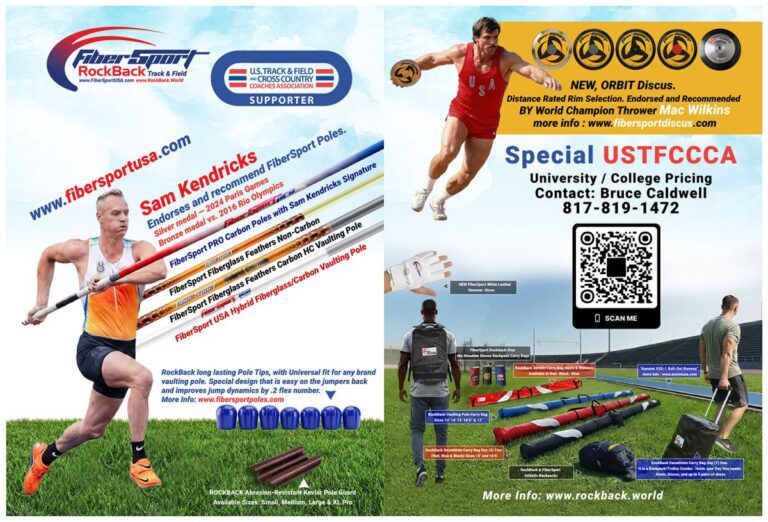
RockBack bags are engineered specifically for athlete mobility and terminal efficiency. They represent the perfect fusion of lightweight maneuverability and rugged durability. These bags have undergone extensive testing on the national circuit to ensure they withstand the repetitive stress of frequent air travel. They’re designed to house your poles and integrate perfectly with other elite gear, such as the 2026 FiberSport ORBIT Discus. You get a streamlined, high-performance kit that simplifies your logistics. You move faster. You travel lighter. You protect better.
Securing Your Performance Gear Today
Upgrading your travel infrastructure is a critical step for the 2026 season. We offer procurement solutions for individual athletes and comprehensive packages for collegiate programs. Our customization options allow teams to incorporate branding while maintaining the highest level of equipment protection. Whether you’re a pro vaulter or a head coach, the next step is clear. Invest in the engineering that protects your future. You secure your gear. You protect your results. You arrive ready to win.
Master the Runway: Secure Your Competitive Future
Your competitive ambitions shouldn’t be grounded by logistical failure or avoidable equipment damage. We’ve established the critical need for structural defense against micro-fractures and the strategic requirements of 2026 airline protocols. You now possess the specialized knowledge to distinguish between basic storage and elite engineering. Transitioning to professional-grade protection is a mission-critical upgrade for your athletic career. It’s about more than transit; it’s about safeguarding your performance potential.
Investing in a high-performance airline approved pole vault case ensures your gear remains as resilient as your training. FiberSport solutions are engineered by track and field experts for elite performance and trusted by national-level athletes and collegiate programs. These systems are designed for maximum durability and mobility in transit. You eliminate the fear of equipment failure. You gain absolute confidence in every takeoff. You arrive at the pit ready to execute without compromise.
Secure your gear with FiberSport Pole Vault Cases and RockBack Bags today to transform your travel into a streamlined, professional operation. Your dedication deserves the industry’s best protection. Go higher. Arrive ready. Dominate the season.
Frequently Asked Questions
How many poles can fit in a standard airline approved pole vault case?
A standard airline approved pole vault case typically accommodates between five and eight poles. Capacity depends on the specific pole diameters and the inclusion of inner protective tubes. Using 6-inch corrugated tubing within the case provides the highest level of shielding but may reduce the total number of poles you can transport. You prioritize safety over quantity to ensure structural integrity remains intact.
Can I fly with a soft pole vault bag, or do I need a hard case?
You can fly with a soft bag, but a hard-shell case provides superior crush resistance for commercial cargo holds. While high-performance soft options like RockBack bags offer excellent mobility for team bus travel, they lack the rigid exoskeleton of a dedicated travel case. For long-haul flights or multiple layovers, the hard case is the mission-critical choice. You select the tool that matches the risk.
Do airlines charge extra for pole vault pole cases in 2026?
Most airlines classify these cases as oversized baggage and apply specific fee structures. In 2026, baggage policies remain carrier-dependent, with fees often determined by the total length and weight of the equipment. Elite athletes often utilize airline status or specific sports-equipment waivers to mitigate these costs. You should always verify the current tariff with your carrier before arriving at the terminal.
How do I protect my poles inside the travel case?
You protect your poles by housing them within 6-inch protective inner tubes before placing them in the case. This creates a dual-layer defense system that absorbs vibration and prevents internal collisions. Secure the tubes with integrated compression straps to eliminate rattling during transit. You isolate the equipment. You neutralize the energy.
What is the maximum length of a standard pole vault travel case?
Standard travel cases are engineered to accommodate poles ranging from 15 feet to 17 feet 6 inches in length. The total exterior length of the case usually extends slightly beyond the poles to provide a buffer zone for the reinforced end caps. You must ensure your specific equipment fits within the case’s internal dimensions before finalizing your travel kit.
Are pole vault cases TSA-approved for international travel?
Cases themselves aren’t approved by the TSA, but they must be designed for easy security inspections. An airline approved pole vault case should feature TSA-accessible locking mechanisms that allow agents to verify the contents without damaging the hardware. Using compliant locks ensures your gear remains secure while meeting international security standards. You maintain security. You facilitate compliance.
How do I clean and maintain my travel case for longevity?
Maintenance requires regular inspections of all structural components and hardware. Clean the exterior with mild soap and water to remove runway grime and hydraulic fluids. Check the reinforced end caps for signs of breakthrough or stress. Lubricate heavy-duty zippers with a silicone-based spray to ensure smooth operation in high-use environments. You preserve the equipment. You extend the lifecycle.
What should I do if my case or poles are damaged during a flight?
You must file a formal damage report at the airline’s baggage service office before you exit the airport terminal. Document any external punctures to the case and perform a visual inspection of the poles for micro-fractures. Retain all boarding passes and baggage tags as evidence for your claim. Immediate action is the only way to hold carriers accountable for equipment failure. Programs looking to prevent such losses from the outset should consult the 2026 standards for durable track and field equipment to ensure every implement in their kit meets professional-grade structural requirements before it ever reaches a cargo hold.